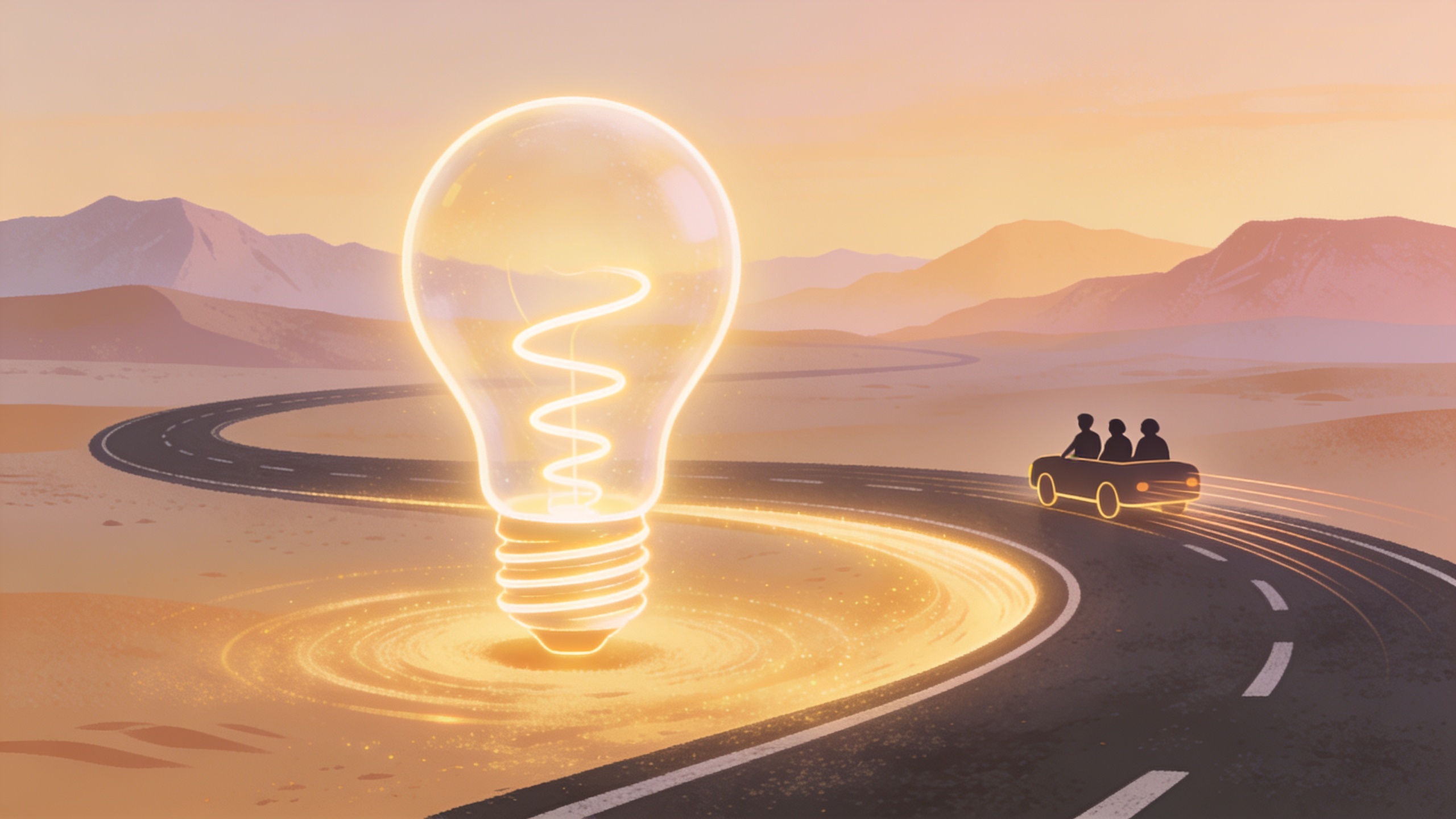
Great Ideas for Road Trips With Your Friends
There’s a specific kind of magic that happens in a car full of friends, snacks on the dashboard, playlist on shuffle, and no fixed schedule to answer to. I’ve spent enough weekends behind the wheel to know that the best trips rarely come from over-planning. They come from picking a good starting point and letting the group figure out the rest along the way.
This guide covers the road trip ideas that actually work when you’re traveling with friends rather than solo or with family. The dynamics are different. You need destinations that keep everyone engaged, activities that work for groups of varying energy levels, and enough flexibility that nobody feels stuck.
Pick a Theme, Not Just a Destination
Random driving gets old fast. The trips people talk about years later usually have some kind of thread running through them.
A theme gives your trip structure without turning it into a rigid itinerary. It also makes decision-making easier when six people have six different opinions about what to do next.
Food Trail Trips
Build the whole route around eating. Pick a regional specialty, barbecue in Texas, lobster rolls in Maine, tacos in Southern California, and chase it from town to town. Everyone has an opinion about food, which makes group decisions easier instead of harder.
Music and Festival Routes
Plan around concerts, festivals, or cities with legendary music scenes. Nashville, Austin, and New Orleans practically build the itinerary for you. You get built-in evening plans and a reason to hit specific cities on specific days.
National Park Loops
For friend groups who like being outside, stringing together two or three national parks makes for a trip with a real sense of progression. Something like Zion to Bryce Canyon to the Grand Canyon gives you dramatically different scenery every single day.
Nostalgia Routes
Retrace a famous highway like Route 66, or follow the path of a movie your group loves. It sounds gimmicky until you’re standing at some roadside attraction taking the exact photo a thousand other travelers have taken, and somehow it’s still fun.
Matching the Trip to Your Group’s Personality
Not every friend group wants the same kind of trip, and pretending otherwise leads to arguments in a gas station parking lot in rural Nebraska. Be honest about what your specific group actually enjoys.
| Group Type | Best Trip Style | Ideal Trip Length |
|---|---|---|
| High energy, outdoorsy | National parks, hiking loops, coastal drives | 5 to 8 days |
| Foodies and slow travelers | Food trail routes, small towns, farmers markets | 3 to 5 days |
| Music and nightlife fans | Festival circuits, city hopping | 4 to 6 days |
| Budget conscious crew | Camping routes, free attractions, state parks | 3 to 4 days |
| Mixed group, first trip together | Short loop with one anchor city | 2 to 3 days |
If your group has never traveled together before, start small. A weekend loop of 300 to 400 miles tells you a lot about how everyone handles shared bathrooms, split gas money, and 6 a.m. wakeup calls before you commit to a two-week cross-country haul.
Structuring the Route So Nobody Gets Bored
The biggest mistake I see friend groups make is packing too much driving into too few days. Eight hours in a car sounds fine when you’re planning it from your couch. It feels very different at hour six with someone’s phone charger dead and three people needing a bathroom.
A good rule I stick to is capping drive days at five hours of actual driving, split by at least one real stop. That stop should be more than a gas station. A short hike, a roadside diner, a weird local museum, anything that gets people out of their seats and talking about something other than how long is left.
Here’s a simple way to structure a five day trip that keeps energy levels balanced:
- Day 1: Short drive (2 to 3 hours) to your first stop, easy evening, no pressure to do much
- Day 2: Full activity day, no driving, explore the area on foot
- Day 3: Longer drive (4 to 5 hours) to your next base, one scenic stop along the way
- Day 4: Full activity day again, this is usually the trip’s highlight
- Day 5: Drive home or to the airport, keep it short and relaxed
This rhythm avoids the exhaustion spiral where everyone is driving constantly and never actually experiencing anywhere.

Splitting Responsibilities Without Drama
Money and logistics wreck more road trips than bad weather ever will. Sort this out before you leave, not on day three when someone realizes they’ve paid for three tanks of gas and everyone else has paid for none.
A few things worth deciding in advance:
- Who drives which legs, and how driving time gets rotated fairly
- How gas, tolls, and shared meals get split, and whether you use an app to track it
- Whether lodging is one shared cost or split by who wants what room
- A rough daily budget so nobody feels pressured to overspend or under-spend
- What happens if someone wants to skip an activity the group votes for
None of this needs to be formal. A five minute conversation before you leave saves hours of tension later.
Playlist and In-Car Entertainment
Music matters more than people admit. A shared playlist that everyone contributes to beats any single person’s taste dominating six hours of driving. Set a rule that everyone adds ten songs before the trip starts, and let it shuffle.
Podcasts work well for longer stretches, especially true crime or comedy shows that spark conversation afterward. Road trip games like twenty questions or “would you rather” sound corny until you’re three hours into a flat, featureless highway and desperate for something to do.
Underrated Stops Worth Building Into Any Route
Big attractions get all the attention, but the stops that end up in the group chat years later are usually smaller. A roadside diner with a strange mascot. A tiny state park nobody’s heard of. A brewery in a town you were only passing through. Building fifteen minutes of slack into your schedule for spontaneous detours pays off more often than not.

Final Thoughts
The best friend road trips balance structure with room to wander. Pick a theme that fits your group, keep drive days reasonable, sort out money before you leave, and leave space for the unplanned stops that end up being the best part of the story.
Start with a short trip if your group hasn’t traveled together before, then build up to something bigger once you know how everyone travels. Grab your friends, pick a direction, and go make the kind of memories that turn into inside jokes for the next decade.