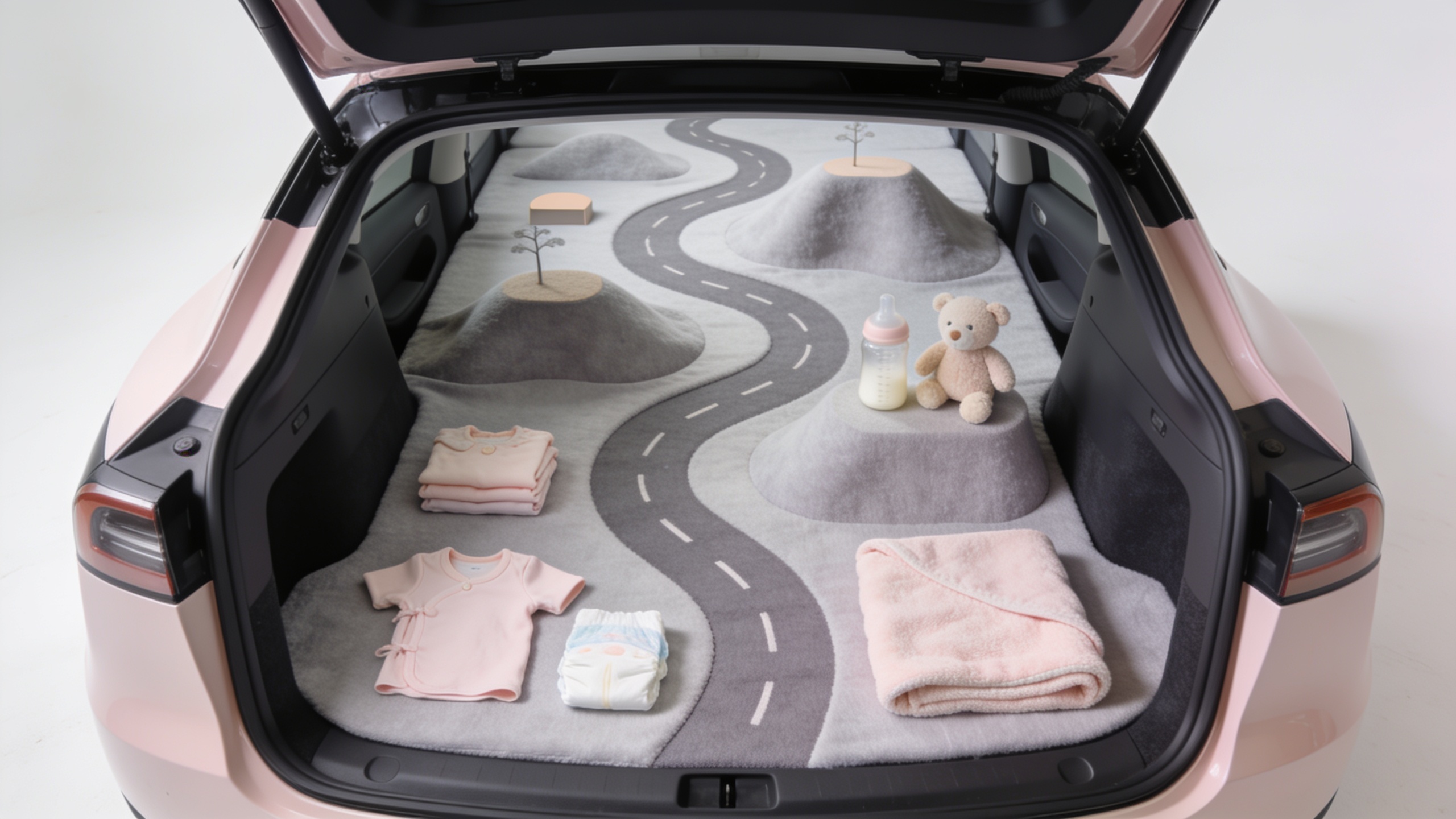
The Essential Packing List for a Road Trip With a Baby
Packing a car for a baby is a different sport than packing for yourself. I learned this the hard way on a six-hour drive to visit family, when I realized somewhere around hour two that I had three changes of clothes for my daughter and zero for the car seat she’d just thrown up on. A road trip with a baby rewards preparation more than any other kind of travel. Get the packing right, and you buy yourself hours of peace. Get it wrong, and you’re stopping at every gas station between here and your destination, hunting for wipes.
This list comes from actual trips, actual meltdowns, and actual moments of relief when I remembered to pack the one weird item that saved the day. I’ve organized it by category so you can work through it methodically instead of tossing things into a bag at midnight before departure.
Start With the Non-Negotiables
Some items make or break the trip. If you forget these, no amount of snacks or toys will save you.
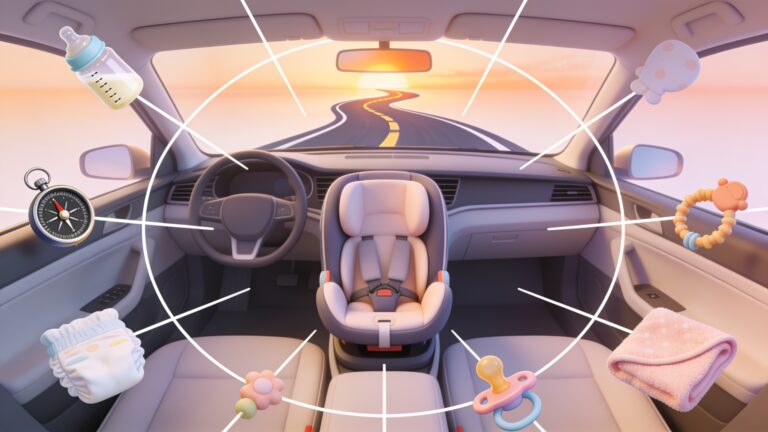
A properly installed, age-appropriate car seat sits at the top of the list, obviously, but the details matter beyond just having one. Bring the manual if you’re borrowing or renting a seat, because installation varies by vehicle and a loose seat is a real safety risk. I also recommend a mirror that lets you see your baby’s face from the driver’s seat. It sounds minor, but the anxiety of not being able to check on a rear-facing infant is real, and a five-dollar mirror solves it completely.
Diapers and wipes need to be packed in higher quantity than you think reasonable. My rule is one diaper per hour of driving, plus five extra, plus a full backup pack in the trunk. Wipes run out faster than diapers because you use them for hands, faces, spilled yogurt, and the diaper itself. Bring more than feels necessary.
Feeding Supplies That Actually Get Used
Feeding on the road looks different depending on your baby’s age, but a few items apply almost universally.
- Bottles, pre-measured formula or breast milk, and a small cooler with ice packs
- A wide-neck water bottle for yourself, because dehydration sneaks up on parents fast
- Bibs, at least three, since one wet bib means a cold, uncomfortable baby
- Pouches or purees for babies on solids, plus a few soft spoons
- Snacks that survive heat, like puffs or dry cereal, for older babies
Nursing covers or a portable pump matter if you’re breastfeeding and plan to stop at rest areas. I found that a car with tinted rear windows made pit-stop nursing sessions far less stressful than trying to find a private corner of a gas station.
Clothing and Comfort Items
Babies destroy outfits at an impressive rate, and a road trip multiplies the opportunities. Blowouts, spills, and unexpected weather changes all conspire against the single outfit you optimistically packed.
I pack a full change of clothes for every two hours of driving time, rounded up. For a four-hour trip, that means three outfits minimum. Add a lightweight jacket or swaddle blanket regardless of season, since car temperatures swing more than you’d expect between highway driving and parking lot stops.
The Comfort Layer
A favorite stuffed animal, a specific pacifier brand, or a particular blanket texture can be the difference between a calm baby and an hour of screaming. Bring duplicates of anything your baby has bonded with. Losing the one pacifier that works, three states from home, is a crisis nobody needs.
Health and Safety Items
A baby-specific first aid kit belongs in every trip bag, not tucked away in a closet at home. Infant Tylenol or ibuprofen, a working thermometer, saline drops, and any prescribed medications should all travel with you, clearly labeled and easy to reach without digging through the trunk.
Sunscreen made for babies matters even on cloudy days, especially if your route includes stretches of direct window sun. A hat with a brim helps too, both for sun protection and for napping, since the shade over the eyes seems to cue sleep for a lot of infants.
What to Pack: A Quick Reference
Here’s a table I wish someone had handed me before my first long drive. It breaks the list down by category and priority, so you can see at a glance what absolutely cannot be forgotten versus what’s a nice bonus.
| Category | Must-Have | Nice-to-Have |
|---|---|---|
| Safety | Car seat, mirror, first aid kit | Sunshade for windows |
| Feeding | Bottles, formula/milk, snacks | Portable warmer |
| Diapering | Diapers, wipes, changing pad | Diaper bags for trash |
| Clothing | Extra outfits, weather layer | Bibs in bulk |
| Comfort | Pacifier, blanket, favorite toy | White noise machine |
| Entertainment | Board books, soft toys | Tablet with headphones |
Entertainment for the Miles That Drag
Babies under six months mostly sleep or stare out windows, so entertainment matters less than you’d think. Once a baby hits the eight or nine month mark and starts sitting up and grabbing things, boredom becomes a real factor on drives over ninety minutes.
I keep a rotation of three or four toys and swap them every thirty minutes rather than handing everything over at once. Novelty resets attention span, and a toy that’s been out of sight for an hour feels new again. Soft books, textured toys, and anything that clips to the car seat strap work better than loose toys that end up on the floor within minutes.
Packing the Car Itself
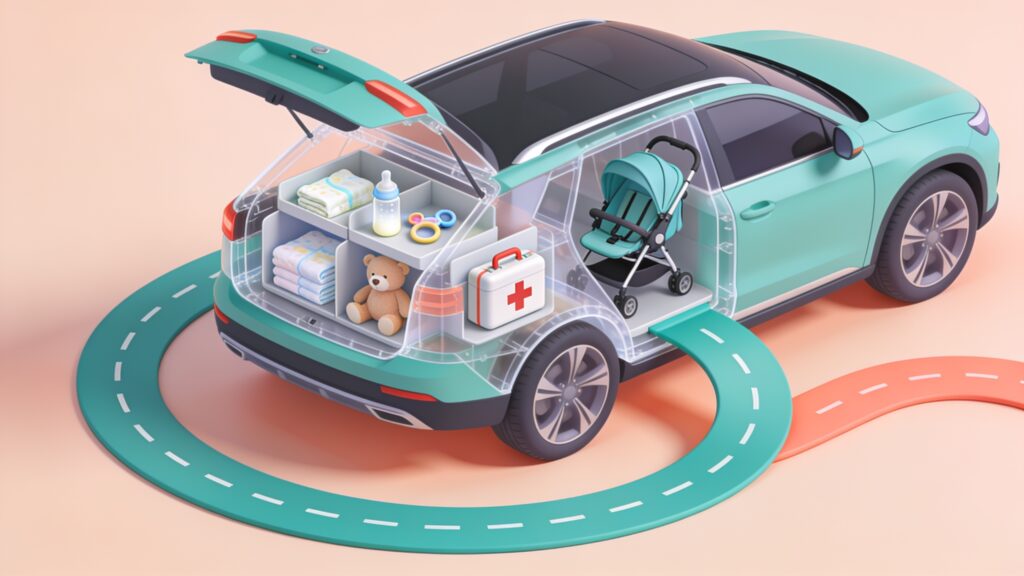
Where you put things matters as much as what you bring. I keep a small bag within arm’s reach of the front passenger seat with diapers, wipes, a burp cloth, and one toy, so I never have to pull over just to grab a wipe. Everything else lives in the trunk, organized in bins by category rather than one giant bag where nothing is findable.
Label bins if you’re sharing driving duties with a partner. “Diapers and clothes” and “food and bottles” written on the side in marker saves precious minutes during a rushed stop with a screaming baby in the back seat.
Key Takeaways
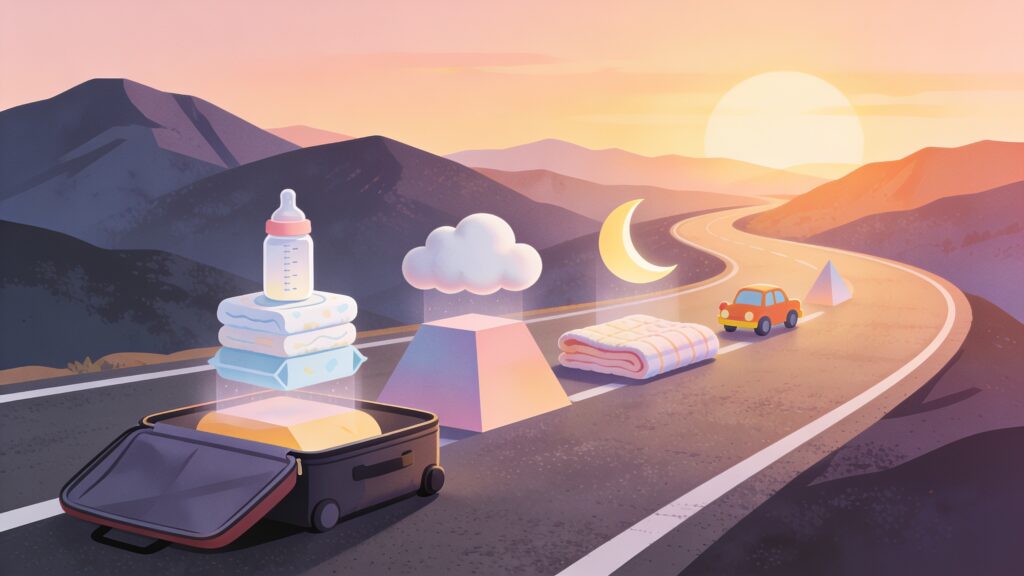
Road tripping with a baby comes down to redundancy and accessibility. Pack more than you think you need for diapers, wipes, and outfits, and keep the essentials within reach instead of buried in the trunk. Duplicate comfort items so a lost pacifier doesn’t end the trip early, and organize your car so any adult in the vehicle can find what’s needed without a search party.
Before your next drive, run through this list item by item rather than trusting memory. Print it out, check boxes as you pack, and toss it in the glove compartment for the return trip too. A little structure now means a much calmer highway later.