13 Awesome Ways to Survive a Road Trip with Teenagers
Road tripping with teenagers is a different animal than traveling with toddlers. There are no car seats to buckle or snacks to smuggle past a picky three-year-old, but you trade those problems for eye rolls, earbuds, and a kid who would rather be anywhere else. I’ve logged thousands of miles with teens in the back seat, and I’ve learned that surviving the trip takes strategy, not luck.
The good news is that teenagers are actually easier to travel with than most parents expect, if you set the trip up right. Here are 13 tactics that turn a tense drive into something everyone can tolerate, and maybe even enjoy.
1. Loop Them Into the Planning
Teens hate feeling like cargo. Give your teenager a say in the route, the playlist, or a stop along the way, and they show up with a completely different attitude. Ask them to pick one restaurant or one weird roadside attraction each day of the trip.
This works because it turns the trip into something they’re part of building, not something being done to them. Ownership kills a huge chunk of the complaining before it starts.
2. Set Expectations Before You Leave the Driveway
Have a quick, low-drama conversation about phone use, screen time, and what counts as acceptable behavior before the car even starts moving. Trying to negotiate rules three hours into the drive never goes well.
Keep it short and specific. “We stop for gas every two hours” or “phones are fine except during meals” gives everyone a clear standard instead of a vague vibe you’ll argue about later.
3. Protect Their Independence Inside the Car
Teenagers crave autonomy, and a road trip can feel like the opposite of that. Let them control small things: their seat, their headphones, their snacks, their reading material. The less you micromanage the back seat, the calmer the whole car stays.
4. Build a Playlist Together (or Split the Difference)
Music fights are avoidable. Create a shared playlist ahead of time where everyone adds a few songs, or set up a rotation where each person gets control for 30 minutes. This one small system prevents hours of friction over the aux cord.
5. Pack Snacks That Actually Match Teen Appetites
Toddler snacks do not cut it here. Teenagers need real fuel, and hunger makes everyone in the car miserable, adults included.
| Snack Type | Why It Works | Example |
|---|---|---|
| Protein-based | Keeps energy steady, avoids sugar crashes | Jerky, trail mix, string cheese |
| Portable meals | Reduces need for extra stops | Wraps, sandwiches |
| Hydration | Prevents headaches and irritability | Water bottles, electrolyte packets |
| Treats | Morale boost, keep in moderation | Chocolate, chips |
Bring a cooler if you’re driving more than four hours. It saves money and keeps the snack quality far above anything from a gas station rack.
6. Schedule Real Stops, Not Just Gas Stops
Teenagers need to move. Sitting still for six hours straight puts anyone in a foul mood, and teens are no exception. Build in stops every two to three hours where they can walk around, stretch, or grab food, not just top off the tank.
7. Use Screens Strategically, Not as a Punishment or a Crutch
Screens get a bad reputation on family trips, but they’re a useful tool if you set boundaries around them. Let teens use devices during long, boring highway stretches, then ask for screen-free time during scenic sections or meals.
This balance keeps them engaged with the trip instead of checked out the entire time. Total screen bans usually backfire and create resentment instead of connection.
8. Give Them a Job
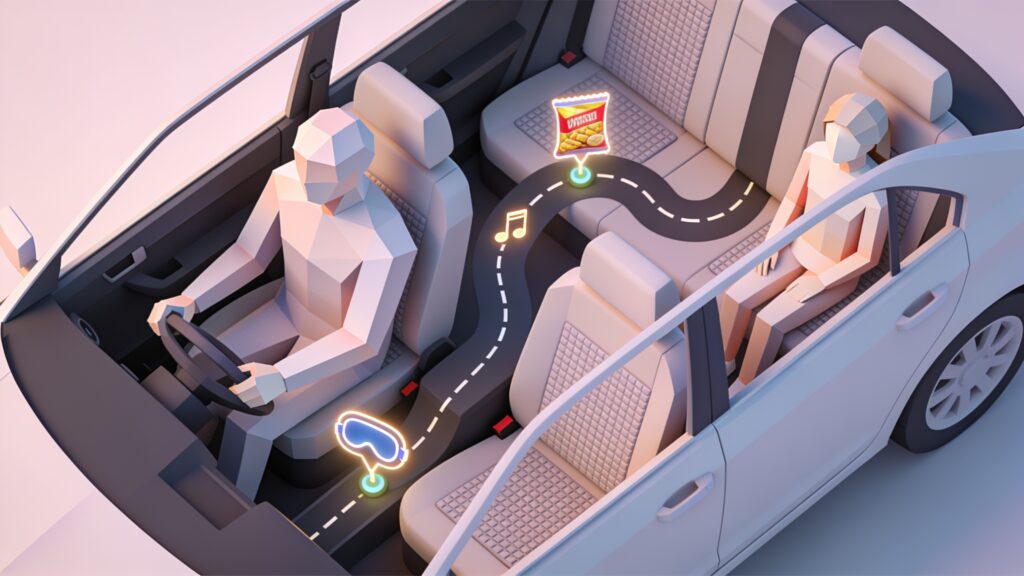
Teenagers respond well to responsibility, even if they act unbothered by it. Put one of them in charge of navigation, another in charge of the road trip photo log, another in charge of picking the next gas station snack run.
Small roles like these make teens feel useful instead of bored, and they give you a natural way to start conversations without it feeling like an interrogation.
9. Plan Entertainment for the Whole Group
Individual screen time is fine, but shared activities build the kind of memories teens actually talk about later. Try:
- Road trip trivia based on the states or cities you’re passing through
- A photo scavenger hunt with a list you build together
- Podcasts or audiobooks picked as a group
- A rotating “DJ” system for music control
- A simple car game like categories or twenty questions
Mixing solo time with group activities keeps the whole car from splitting into silent bubbles for ten hours straight.
10. Respect the Need for Alone Time
Teenagers process the world differently than younger kids. Long stretches of quiet, headphones in, staring out the window, are normal and healthy, not a sign something’s wrong. Resist the urge to fill every silence with conversation.
Give them space to disengage sometimes. A teen who gets some solo time in the middle of the trip usually re-engages later in far better spirits.
11. Handle Conflict Quickly and Quietly
Sibling tension in a confined space escalates fast. When an argument starts, address it directly and briefly instead of letting it simmer for the next 200 miles. A short pull-over break often resets the mood faster than any lecture.
12. Build In Flexibility for Detours
Some of the best road trip memories come from unplanned stops. If your teen spots something interesting, a strange museum, a great overlook, a food truck with a line out the door, build in enough slack in your schedule to actually stop.
Rigid itineraries stress everyone out and leave no room for the moments that make a trip memorable. Aim for a schedule with a buffer, not a minute-by-minute plan.
13. Keep the Big Picture in Mind
Road trips with teenagers are a limited window. In a few years, they’ll be planning their own trips without you. Keep that perspective when the bickering starts or the playlist fight drags on for the fifth time.
A little patience now buys you a much better relationship with them later, and it makes the inevitable rough patches feel smaller in the moment.
Key Takeaways
Surviving a road trip with teenagers comes down to respect, structure, and flexibility in equal measure. Give them a voice in the planning, protect their independence, fuel them properly, and build in both group activities and quiet time. Handle conflict fast, keep the schedule loose enough for spontaneity, and remember the bigger picture behind the bickering.
Try even three or four of these strategies on your next trip and you’ll notice the difference immediately. Road trips with teens can be some of the best travel memories your family makes, as long as you plan for who they actually are, not who they were five years ago.