21 Top Tips for the Ultimate USA Road Trip with Teens
A road trip with teenagers sounds like a gamble on paper. You’re locking moody, phone-addicted young adults in a car for hours at a stretch and hoping they don’t mutiny somewhere in rural Nebraska. I’ve done this more times than I can count, with my own kids and as the designated “cool uncle” driver for extended family trips, and I can tell you it works when you plan it right. Teens actually make great road trip companions once you stop treating them like toddlers and start treating them like co-pilots.
The trick is balancing structure with freedom. Give teens zero input and they’ll resent every stop. Give them total control and you’ll end up circling a mall parking lot for three hours. Here are 21 tips that have saved my sanity and turned family road trips into something my kids still bring up years later.
Planning Before You Hit the Road
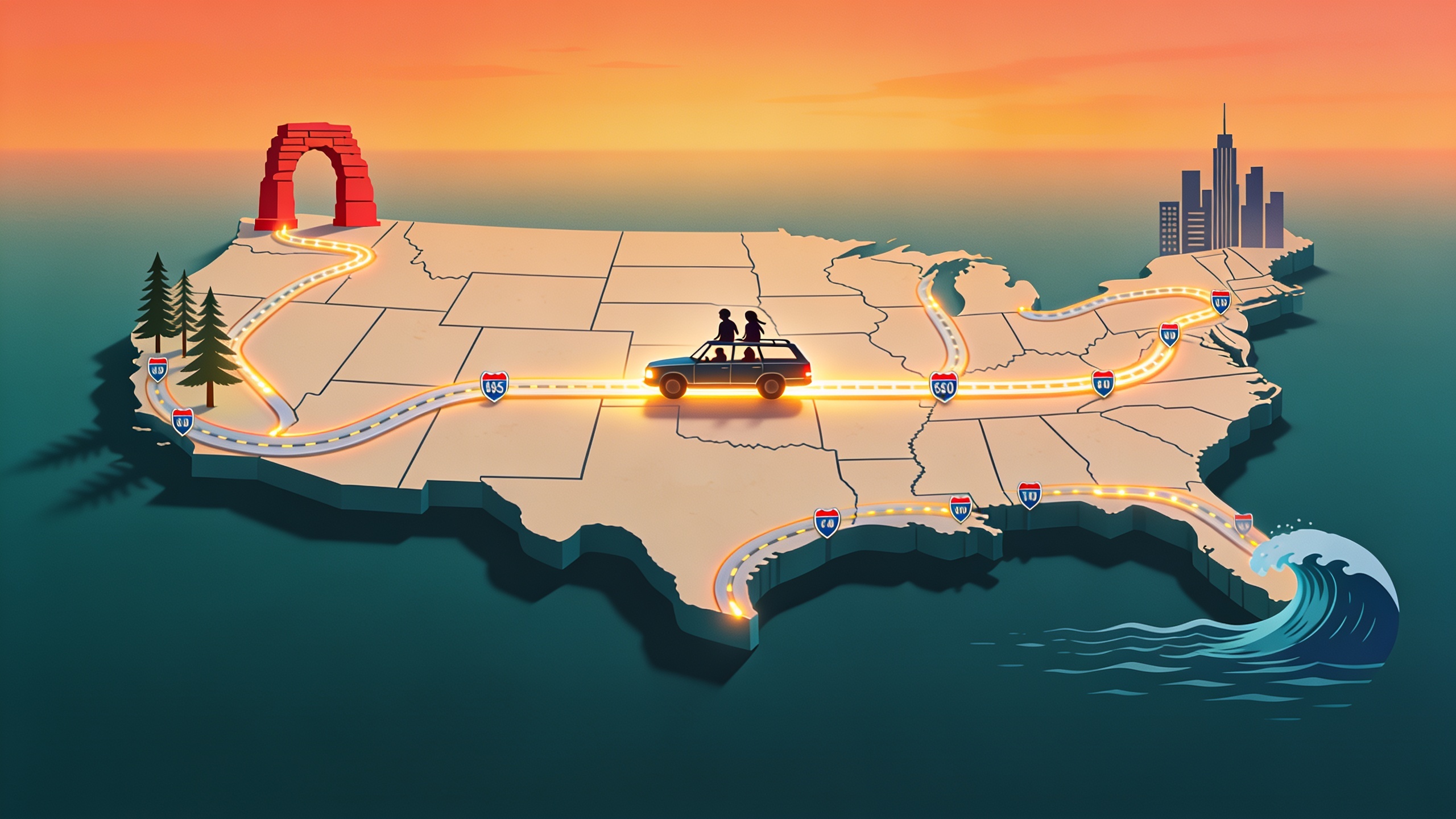
1. Let them help build the route. Hand your teen a map (digital or paper) and ask them to pick two or three stops along the way. Ownership changes everything. A kid who chose the World’s Largest Ball of Twine complains far less about the drive than one who had no say in it.
2. Book accommodations with teens in mind. Look for hotels with pools, arcades, or walkable downtown areas. A generic roadside motel with nothing nearby makes for a long, restless night.
3. Set a realistic daily driving limit. Six hours of driving per day is the sweet spot for most families. Beyond that, everyone gets snippy, including the adults.
4. Build in “free days.” Every third day, plan zero driving. Teens need time to recover, sleep in, and just exist without being strapped into a seat.
5. Talk about budget openly. Give your teen a small daily allowance for snacks or souvenirs. It teaches money management and cuts down on the “can I have this” negotiations at every gas station.
Keeping Them Entertained (Without Screens Doing All the Work)
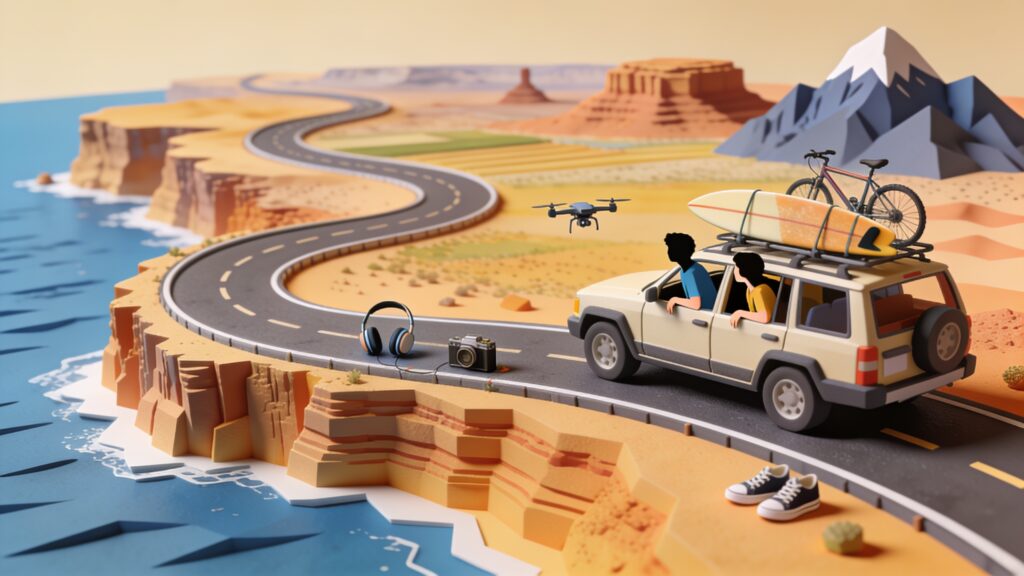
6. Download playlists together. Let each teen curate an hour of music for the drive. Yes, you’ll hear songs you don’t love. That’s the deal.
7. Stock up on podcasts and audiobooks. True crime series, comedy podcasts, and thriller audiobooks work well for mixed-age groups and spark conversation that music never does.
8. Bring analog games for rest stops. A deck of cards, a travel version of Yahtzee, or a portable cornhole set gets everyone out of the car and moving during breaks.
9. Use a road trip bingo card. Print one with items like “state license plate,” “water tower,” or “gas station bigger than your house.” It sounds simple, but competitive teens take it seriously.
10. Let phones be phones, within reason. Fighting screen time on a nine-hour drive is a losing battle. Set expectations for when phones go away, like during meals or scenic overlooks, and let the rest slide.
Food, Fuel, and Keeping Everyone Fed
Hangry teenagers are a road trip’s biggest threat, bigger than traffic or bad weather. Plan food stops like you plan gas stops, on a schedule, not an afterthought.
| Meal Strategy | Why It Works |
|---|---|
| Pack a cooler with real food | Cuts costs and avoids the 2pm fast food crash |
| Stop at local diners, not just chains | Turns meals into part of the adventure |
| Keep protein snacks on hand | Nuts, jerky, and cheese sticks prevent sugar crashes |
| Let teens pick one “splurge” meal per state | Gives them something to look forward to |
| Refill water bottles at every stop | Dehydration makes everyone irritable faster than hunger |
11. Never skip breakfast. A fed teen is a manageable teen. Find a diner or grab groceries the night before.
12. Rotate who picks the restaurant. It stops arguments before they start and exposes everyone to food they wouldn’t normally choose.
Managing the Car Itself
13. Assign seats, but rotate them daily. The middle seat curse is real. Rotating keeps resentment from building over who always gets stuck in the worst spot.
14. Set clear rules about volume and headphones. Not everyone wants to hear the same true crime podcast at full blast. Headphones solve 90 percent of car conflicts.
15. Keep a car charger situation sorted. Bring a multi-port USB charger. A dead phone on hour four of a drive turns a calm teen into a stressed one fast.
16. Pack a “boredom kit.” A small bag with gum, hand sanitizer, a notebook, sketch pencils, and a portable fan works wonders during long stretches with no service.
Building in Real Experiences
17. Choose at least one adrenaline stop. White water rafting, a zip line course, or a big city rollercoaster gives teens something to talk about that isn’t just “we drove a lot.”
18. Visit at least one place with historical weight. The Grand Canyon, a Civil War battlefield, or a civil rights museum sticks with teens more than they’ll admit at the time. These moments often become the ones they mention years later.
19. Let them navigate for a stretch. Handing a 16-year-old the map app and letting them call the turns builds confidence and gives them a real role in the trip.
20. Find a spot for genuine downtime outdoors. A lake, a hiking trail, or a quiet beach gives teens a break from screens without you having to enforce it. Nature does the work for you.
21. Document the trip together. Ask your teen to take over the group photo duties or start a shared album. Teens who feel like the trip’s documentarian, not just a passenger, tend to engage more with the whole experience.

Key Takeaways
A road trip with teens succeeds when you build in structure, choice, and downtime in equal measure. Give them a stake in the route, feed them on schedule, rotate the music and the seats, and mix highway miles with real experiences that get them out of the car. The goal isn’t to survive the drive. It’s to make the drive part of the memory.
Start planning your route this weekend. Sit down with your teen, pull up a map, and let them pick the first weird roadside attraction. That single decision sets the tone for everything that follows.